Padel has exploded across the country so rapidly that there are now over 1,400 padel courts in South Africa, creating one of the most dynamic sports infrastructure stories we have seen in decades. As specialists in padel court construction, we are working inside this boom every day and see firsthand how courts, clubs, and services are evolving into a mature ecosystem by 2026.
Key Takeaways
| Question | Answer |
|---|---|
| How big is South Africa’s padel market in 2026? | South Africa is the biggest padel market in Africa, with hundreds of courts nationwide and a rapidly expanding club network supported by turnkey builders like Padel Build. |
| What is driving the rapid growth in padel courts? | Mass participation, growing amateur demand, and professional events are driving clubs and venues to invest in quality court infrastructure via expert partners and dedicated turnkey services. |
| What types of padel courts are most in demand? | Panoramic and professional-grade models like Mundial 90, Ultra Panoramic, and Mundial 360 from the Pro Courts by Padel Galis range are leading for clubs, events, and premium venues. |
| How do investors and venues de-risk new padel projects? | They use structured feasibility analysis and financial modelling such as our dedicated Feasibility Assessment to test demand, pricing, and site potential before building. |
| What does a full padel project lifecycle look like? | From concept and renders to installation and handover, a clear padel court construction process ensures timelines, compliance, and quality are tightly managed. |
| Where can I see completed padel projects in South Africa? | You can explore real-world installations and club examples in our national Padel Court Projects portfolio to understand what is working in the 2026 market. |
1. Inside South Africa’s 2026 padel explosion
South Africa has shifted from a handful of early adopters to a fully fledged padel nation in just a few years, with hundreds of courts and more arriving every month. With more than 410,000 amateur players driving bookings and memberships, demand for quality courts is outpacing supply in many regions.
This rapid uptake is reshaping how golf clubs, gyms, schools, developers, and hospitality venues think about sport and recreation space. We see padel projects moving from “nice-to-have experiments” to central anchors in multi-sport facilities and commercial destinations.
The numbers behind the boom
Industry estimates anticipated South Africa could reach between 1,200 and 1,500 courts, and 2026 is proving those forecasts realistic. Gauteng alone already hosts hundreds of courts, and coastal regions are catching up fast as tourism and lifestyle estates adopt padel as a core amenity.
For investors and venue owners, this scale matters. It signals that padel is not a fad but an ecosystem, with coaching, competitions, pro events, and allied services all building around a critical mass of courts.


2. How hundreds of courts are reshaping the sports landscape
The rise of padel courts is changing how facilities allocate land, budgets, and programming. A compact footprint, social format, and all-ages appeal make padel an efficient revenue generator compared to many traditional sports.
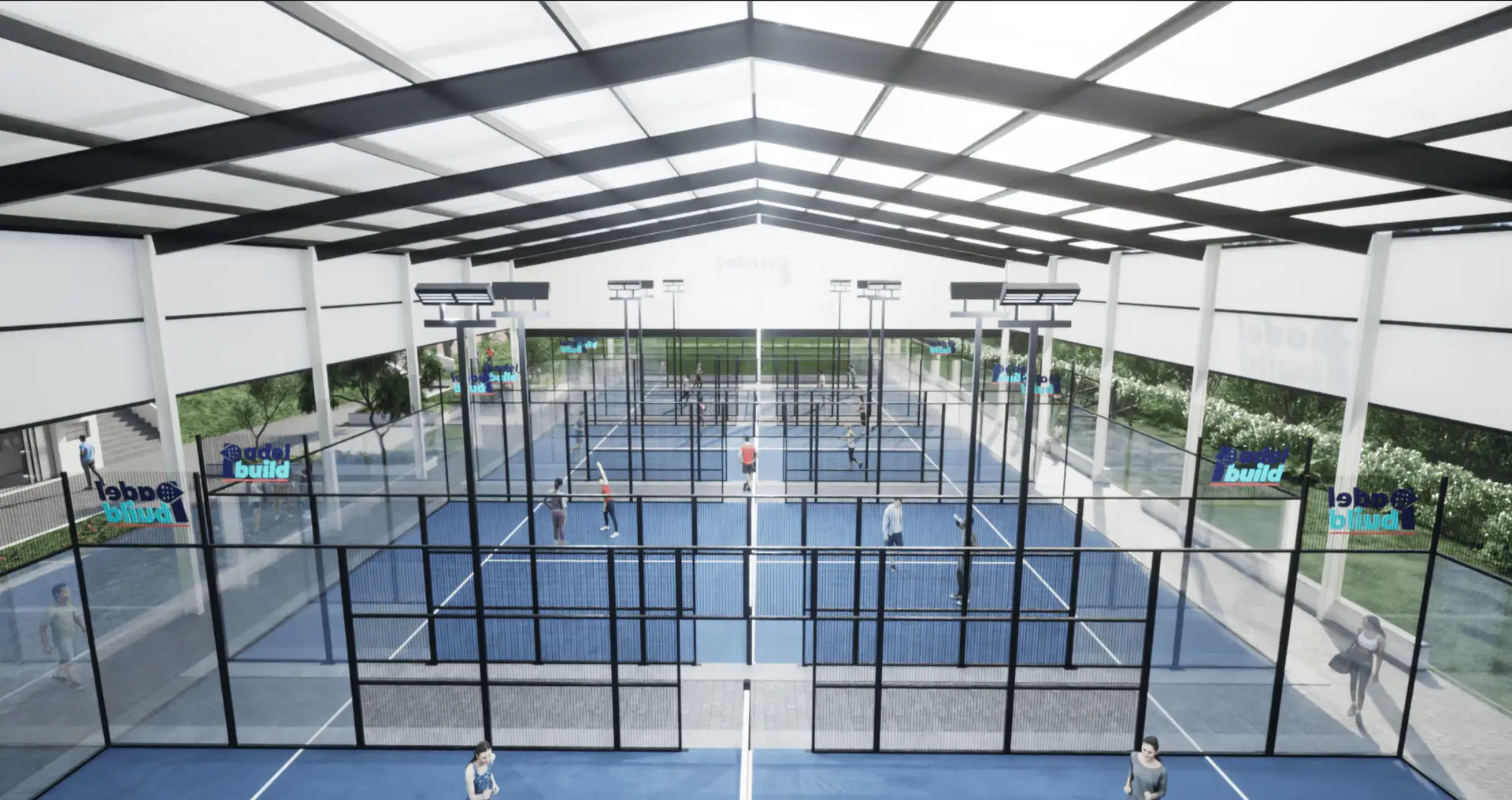
We see three clear trends in 2026: multi-court clusters, indoor conversions, and padel-led destination sites. Venues are no longer building single courts, they are planning 4 to 8 court hubs with shared amenities, pro shops, and food and beverage offerings.
From single courts to padel hubs
Four court configurations are emerging as the new baseline for commercially viable venues. This critical mass supports coaching, league play, events, and strong utilisation during peak times.
For large facilities and estates, 6 to 10 court layouts with mixed indoor and outdoor options are becoming standard. These sites are positioned to host regional tournaments and future professional events.


3. Pro Courts by Padel Galis: meeting international standards
At the heart of South Africa’s padel boom is a decisive shift to professional-standard courts. Recreational players, clubs, and event organisers all want surfaces, glass, and structures that match what they see internationally.
Through our collaboration with Padel Galis, we supply a full range of pro models designed for durability and high performance. These courts are engineered for intensive commercial use, televised events, and demanding playing conditions across Southern Africa.
Mundial, Ultra Panoramic, and Mundial 360 in the 2026 market
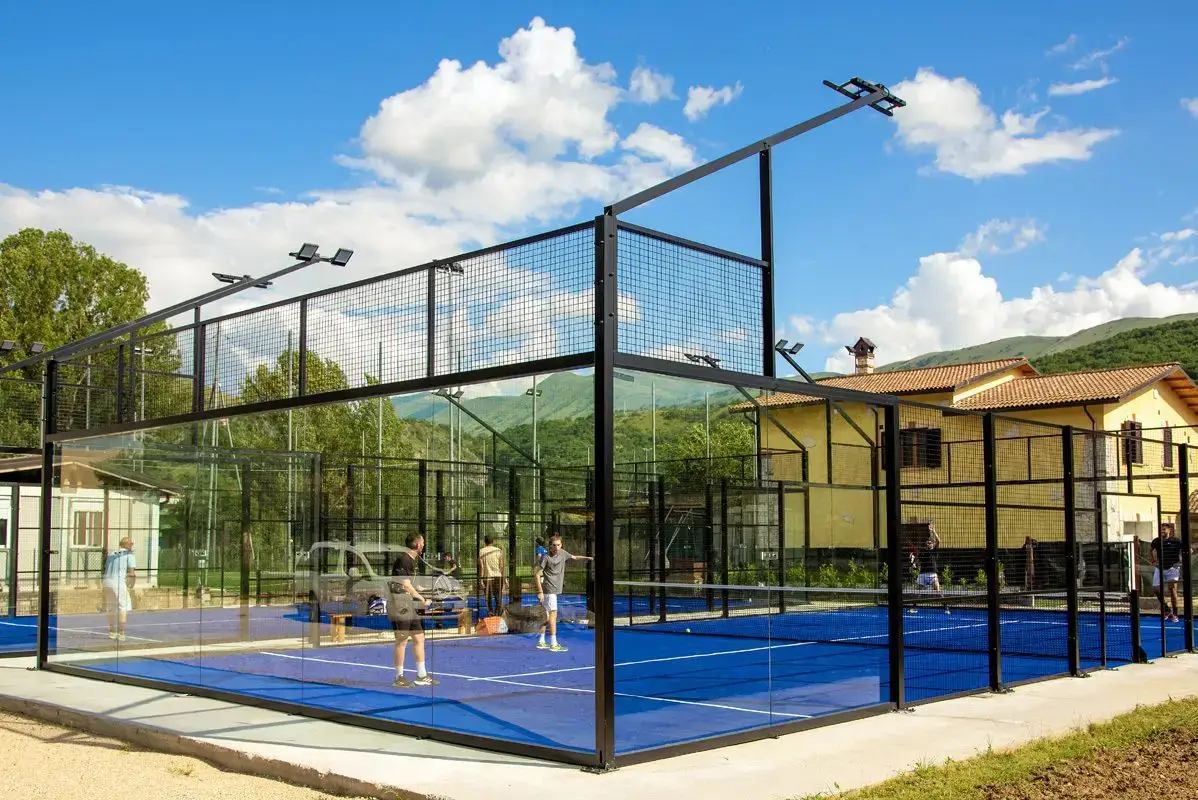
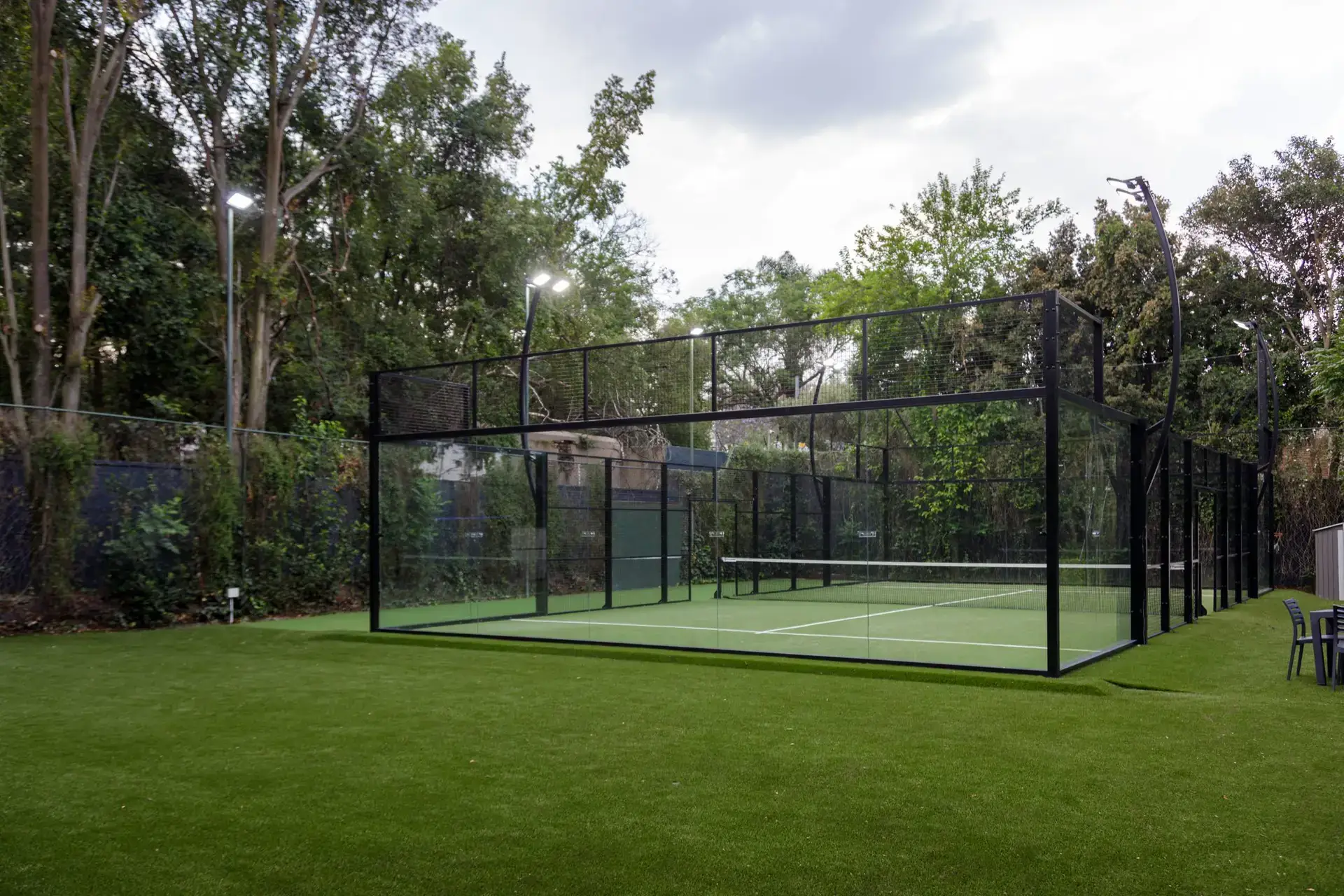
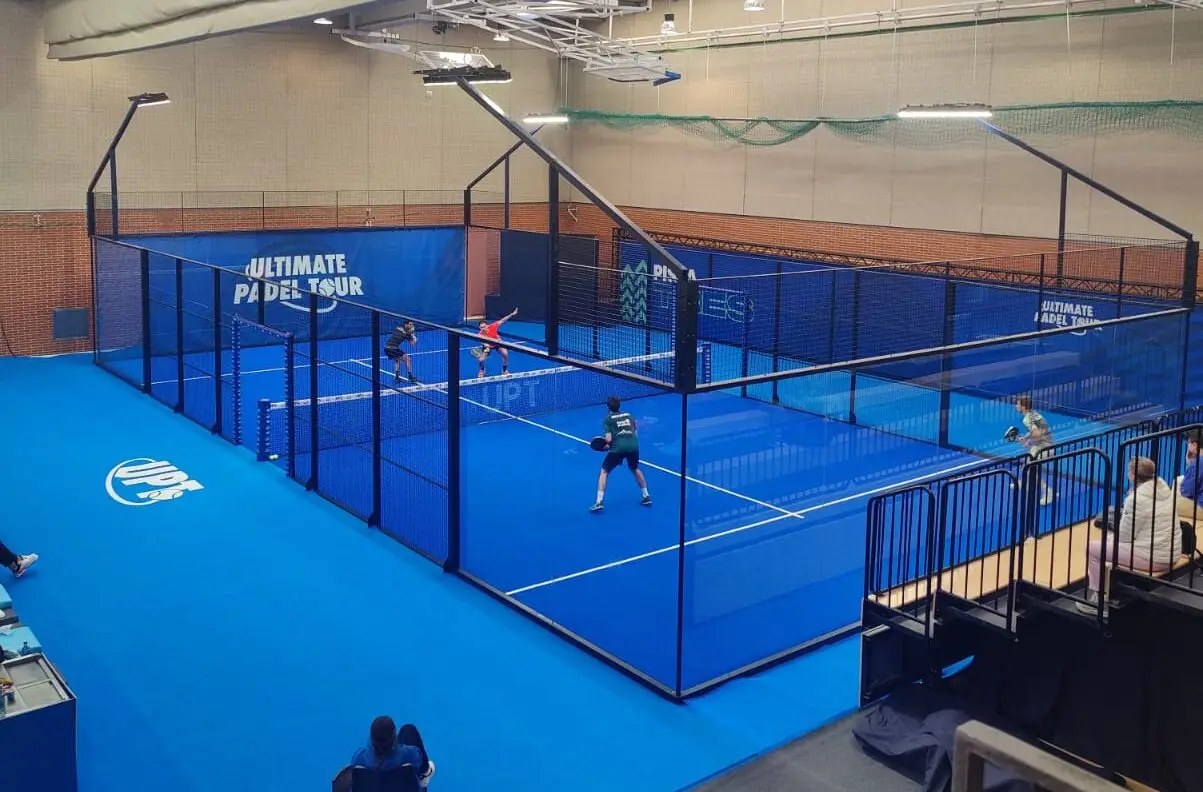
The Mundial 90 Panoramic has become a go-to choice for clubs that want clear visibility and a clean aesthetic around the back and sides of the court. The panoramic glass layout improves spectator experience and gives venues a modern, premium look.
The Ultra Panoramic and Mundial 360 models are particularly suited for broadcast and professional events, with 360 degree viewing and optimised lighting layouts. These models support the country’s move toward hosting international tournaments.
4. The role of turnkey padel services in an accelerating ecosystem
As more investors and venues enter padel, the need for structured, end to end project support has become clear. Many owners are new to racket sports and require guidance from concept through to daily operations.
Our turnkey service model responds directly to this. We combine specialist consultation, feasibility assessment, architectural design, project management, and accredited installation into one coordinated delivery.
From first idea to first booking
Most 2026 projects begin with a strategic consultation to define objectives, target markets, and space limitations. We then guide clients through site selection, layout optimisation, and budget planning.
Once the build is complete, our involvement continues through maintenance planning, operational support, and where needed, introductions to coaching and management partners. This long term approach helps facilities thrive beyond opening week.

5. Why feasibility and data are critical in 2026
With hundreds of courts already operating, simply “adding another court” is no longer enough. The most successful facilities in 2026 are those that entered the market with robust feasibility work and clear commercial models.
Our feasibility assessments help clients answer key questions. Is there sufficient local demand? What is realistic court utilisation? How will pricing, memberships, and programming position the venue competitively?
A structured feasibility framework
We use a four stage approach: discovery, analysis, report, and close. Discovery covers onboarding, understanding your vision, and gathering site and market data.
Analysis then models different scenarios, stress tests assumptions, and projects revenues and costs. The final report provides financial forecasts and strategic recommendations that guide whether, how, and where to build.

6. A closer look at South Africa’s padel court types in 2026
Not all padel courts are created equal, and the 2026 boom is defined by clear segmentation. Facilities select between club-grade, event-grade, and signature courts, depending on their market and budget.
Our range covers models like Mundial 90 Panoramic, Ultra Panoramic, Mundial 360, Wilson Elite, and PPA Ultra. Each comes with different structural, glass, and mesh configurations to suit specific use cases.
Panoramic and 360 degree viewing courts
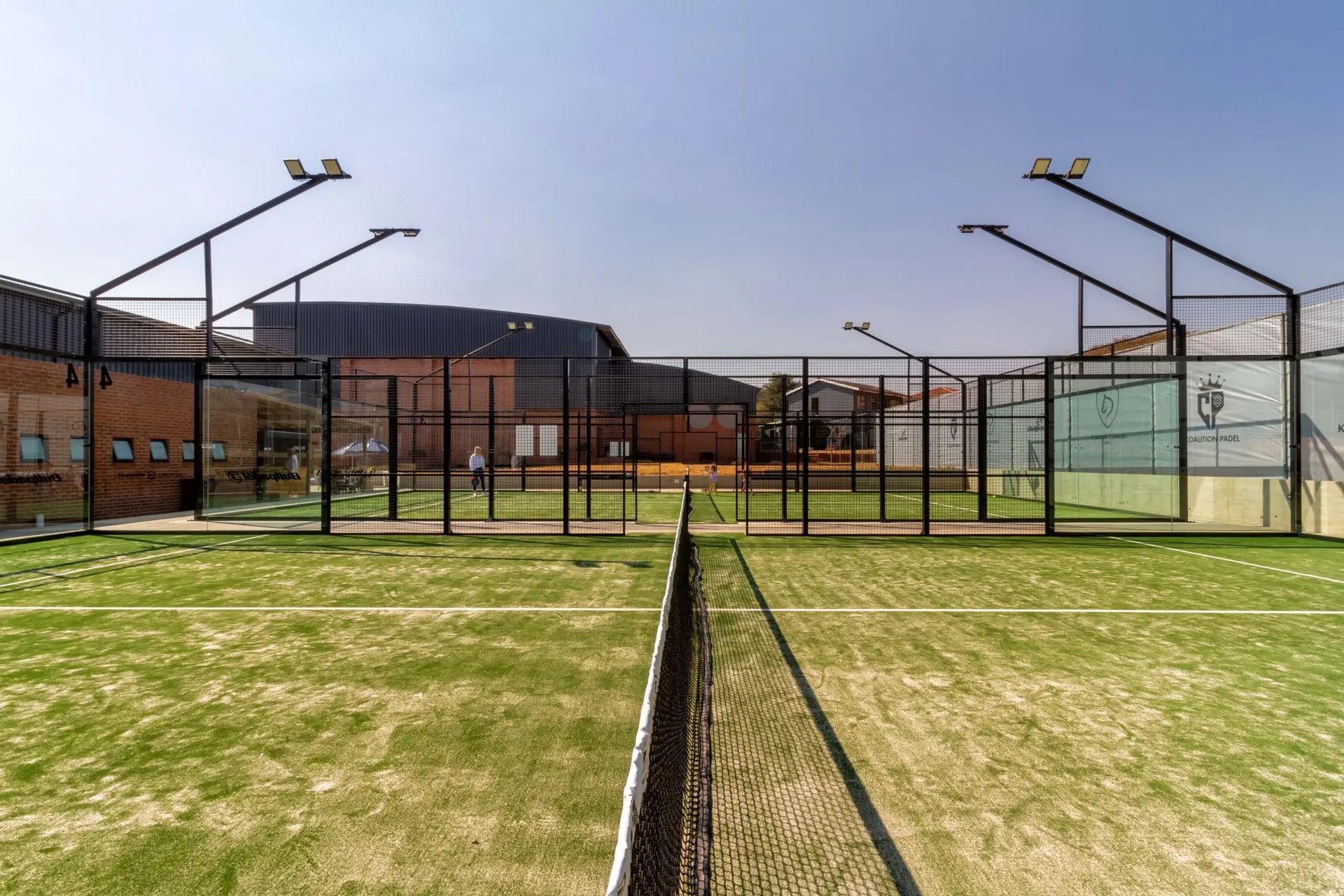
Panoramic courts are now the standard for visually appealing club builds. The removal of corner posts and optimised glass sections improve the player and spectator experience and make venues visually striking.
The Mundial 360 and similar models increase visibility further. These models are particularly suited to televised events and multi court venues that want strong visual identity.


7. From concept to completion: our padel court construction process
In a fast growing market, process discipline is one of the best safeguards for quality. A clear, phased approach helps projects stay on time, on budget, and aligned with the client’s vision.
Our construction process includes architectural concept development, land survey and feasibility, technical drawings and approvals, construction and installation, and final handover and support. Each stage is collaborative and documented.
Bringing padel courts to life
We usually begin with concept development and renders so clients can visualise court placement, orientation, and integration with existing facilities. This helps secure internal approvals and stakeholder buy in early.
Technical drawings and engineering approvals follow, then groundworks, base systems, and court assembly. The final phase covers lighting, fencing, surfacing, and commissioning, then a structured handover for operations and maintenance.
8. Real-world projects: how venues are using padel in 2026
Completed projects across the country provide a clear picture of how padel fits into different environments. We see installations at municipal sports grounds, golf clubs, commercial parks, schools, and lifestyle destinations.
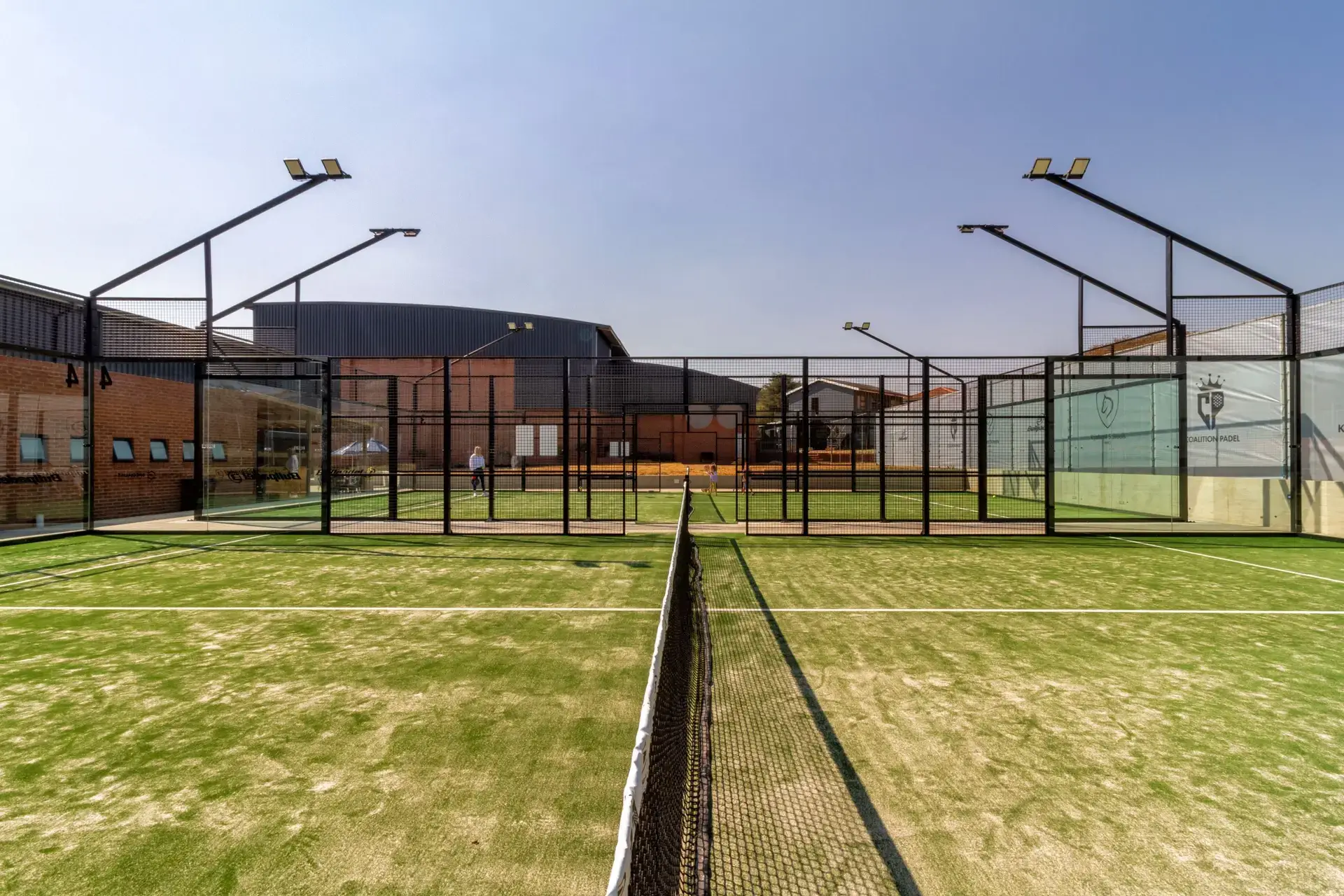
Our project portfolio includes sites like Coalition, Marks Park, Pitch N Padel, South Coast, and Padel Magic. Each demonstrates different integration strategies, from urban infill courts to coastal resort clusters.
Lessons from the field
Coalition and similar venues show the value of strong branding and social spaces around the courts. These sites attract consistent bookings and events by positioning padel as a complete experience, not just a sport.
Projects like South Coast highlight the tourism and hospitality potential of padel. Visitors increasingly expect high quality recreational options and padel courts tick that box for families and groups.


9. Strategic partnerships and global standards
South Africa’s padel boom is underpinned by strong international partnerships. Working with established global manufacturers ensures that local courts match international standards in safety, performance, and aesthetics.
Our strategic relationship with Padel Galis is central to this. It provides access to proven court systems, continuous product development, and a quality framework that supports long term performance.
Why partnerships matter in a fast-growing market
As more players and events arrive, the expectation is that courts will feel and play like those in Europe and other leading markets. Inferior structures and finishes are quickly exposed in this environment.
By aligning with global brands and using accredited installation, we protect clients from short term cost savings that create long term problems. This approach supports sustainable growth for the entire ecosystem.

10. Preparing for professional padel and future growth
The confirmation of a Premier Padel P2 event and other international activities signals that South Africa is entering a new phase. The ecosystem is moving from participation only to a full pyramid that includes professional competition.
To support this, we expect further investment in event-grade venues, broadcast ready lighting, player facilities, and spectator infrastructure. Existing clubs are already upgrading surfaces, lighting, and surrounds to meet higher standards.
What this means for new investors and venues
For new entrants, the message is clear. There is still room for quality padel facilities, but projects need to be well planned, data driven, and future proof.
Courts built in 2026 will likely serve players for a decade or more. Choosing the right court systems, layouts, and partners now will determine how well your venue fits into the evolving national and international calendar.


11. How to start your own padel project in the 2026 environment
If you are considering joining South Africa’s padel boom, the most important step is to approach your project methodically. The market rewards venues that match strong demand with high quality, reliable infrastructure.
We recommend beginning with a clear definition of your goals, a realistic understanding of your catchment area, and early engagement with experienced padel specialists. This reduces risk and shortens timelines from idea to opening.
Working with us on your next padel facility
Our role is to be your expert partner from first discussion to completed court. We bring together feasibility, design, pro court procurement, construction, and ongoing support.
In a market as active as South Africa’s 2026 padel ecosystem, that experience and structure help ensure you are not just adding a court, you are building a sustainable asset that serves your community and your business for years ahead.


Conclusion
South Africa’s padel boom in 2026 is no longer just about novelty or early adoption. With more than a thousand courts, hundreds of clubs, and professional events on the calendar, the country now supports a full padel ecosystem that connects community play, commercial operations, and international competition.
Our focus as a turnkey padel court construction partner is to help venues participate in this growth responsibly and successfully. By combining data driven feasibility, world class court systems, and a disciplined build process, we support clients in creating facilities that are expertly built and ready to play for the long term.