Padel has gone from a niche sport to a national talking point in just a few years, with South Africa already home to an estimated 600–900 courts across more than 300 clubs as of 2025, and demand for turnkey court construction rising fast across Southern Africa.
We help clients navigate this growth with professional padel court construction, flexible systems, and complete turnkey project delivery tailored to local conditions and commercial goals.
Key Takeaways
| Question | Short Answer |
|---|---|
| What is a turnkey padel court project in Southern Africa? | A full-service solution from site assessment, design, and engineering through to court supply, installation, and handover, as we outline on our services page. |
| Which padel court types are available? | We offer a complete range of Padel Galis courts, from Mundial 90 to premium panoramic systems, all showcased on our padel courts collection. |
| Can I install portable or temporary padel courts? | Yes, our modular FlexiPadel & Portable Kits allow installations on existing surfaces with minimal civil works. |
| Do you build for clubs, estates, and commercial venues? | We design and build for clubs, schools, estates, gyms, and developers, with completed facilities shown on our project gallery. |
| Who is behind your court construction service? | Our team combines architects, engineers, and padel specialists, introduced on our About Us page, with strategic partnerships including Spain’s Padel Galis. |
| How do I start a turnkey padel project? | You can request a consultation or site visit directly via our contact page, where we gather your requirements and prepare a tailored proposal. |
1. Why Turnkey Padel Court Construction Is Booming in Southern Africa
Padel has become one of the fastest-growing sports markets in Southern Africa, and turnkey court construction is making it easier for clubs and developers to respond quickly.
We see high demand from estates, schools, gyms, and commercial venues that want a reliable partner to handle every step of the process.
Turnkey delivery removes the risk of coordinating multiple contractors, especially on technical aspects like foundations, glass installation, lighting, and safety compliance.
Our role is to simplify complex projects by combining architectural design, engineering, procurement, and installation into one integrated service.
2. Our Turnkey Padel Court Process: From Site Visit to First Match
We start each project with a detailed consultation and, where possible, an on-site assessment to understand space, access, levels, and services.
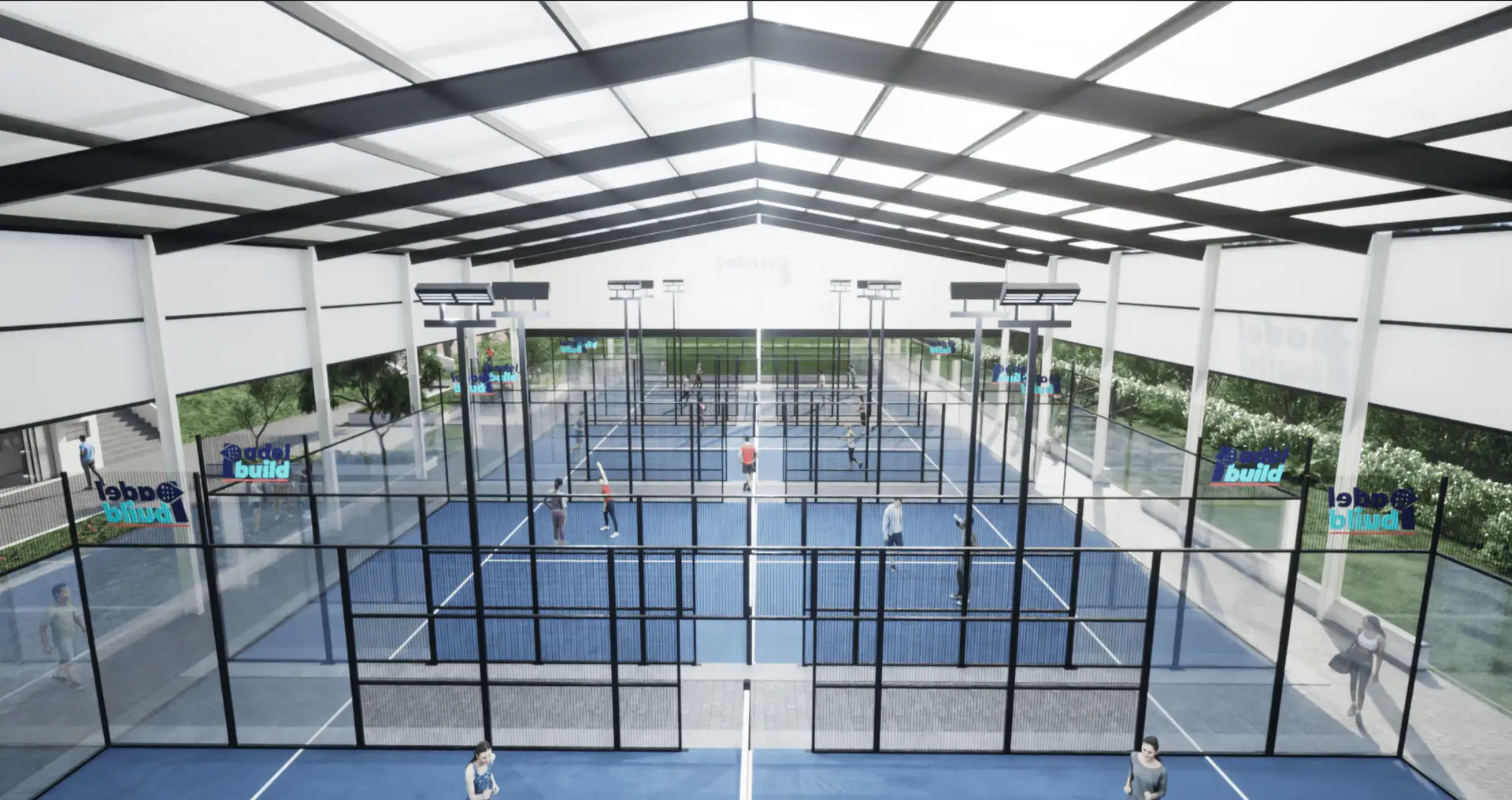
This initial stage allows us to advise on the number of courts, orientation, roof options, and integration with existing facilities.
Next, our design and engineering team develops layouts, structural details, and finishes that match your budget and aesthetic goals.
We then manage procurement of the Padel Galis court system, lighting, fencing, and accessories, followed by expert installation and final quality checks.
- Site assessment and feasibility review
- Concept design and detailed court layout
- Foundations and civil works coordination
- Court supply, installation, and commissioning
- Handover, training, and maintenance guidance
3. Padel Galis Pro Courts: Mundial, Panoramic, and Ultra Designs
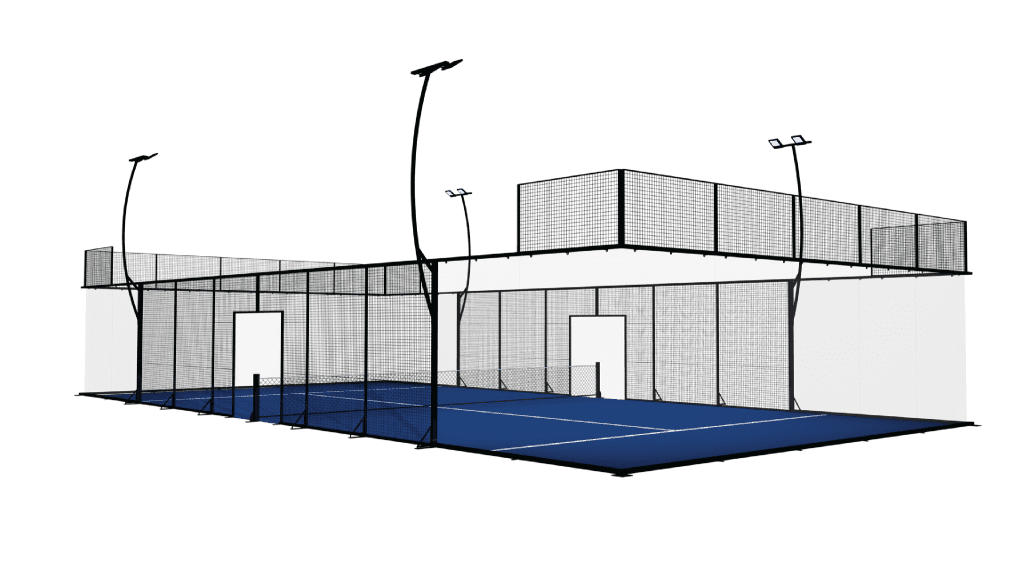
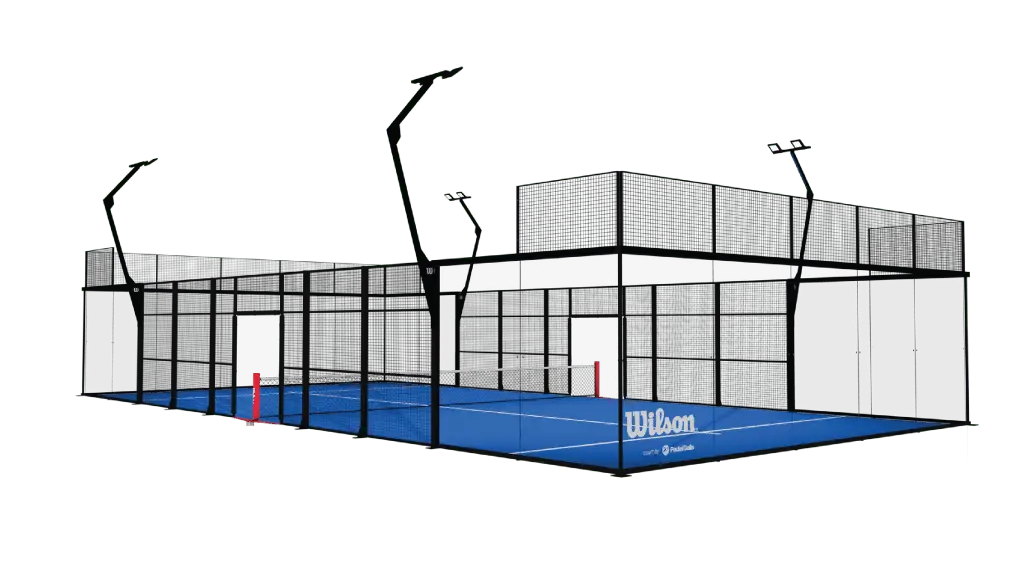
Our partnership with Spain’s Padel Galis gives clients in Southern Africa access to some of the world’s most respected padel court systems.
These courts are used in professional tournaments and are designed for consistent bounce, excellent visibility, and long-term durability.
Mundial 90 Panoramic and Mundial 360
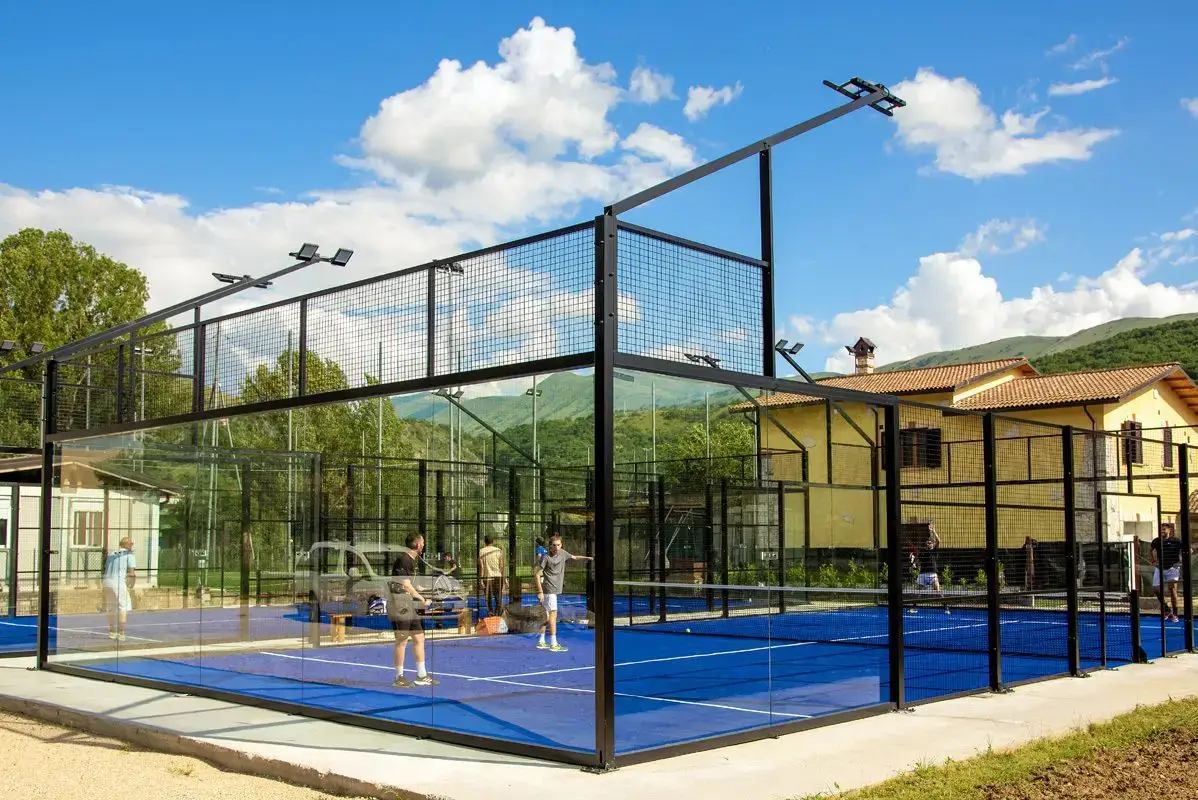
The Mundial 90 Panoramic is ideal for clubs and venues that want a modern look with clean, open back-glass for spectator viewing.
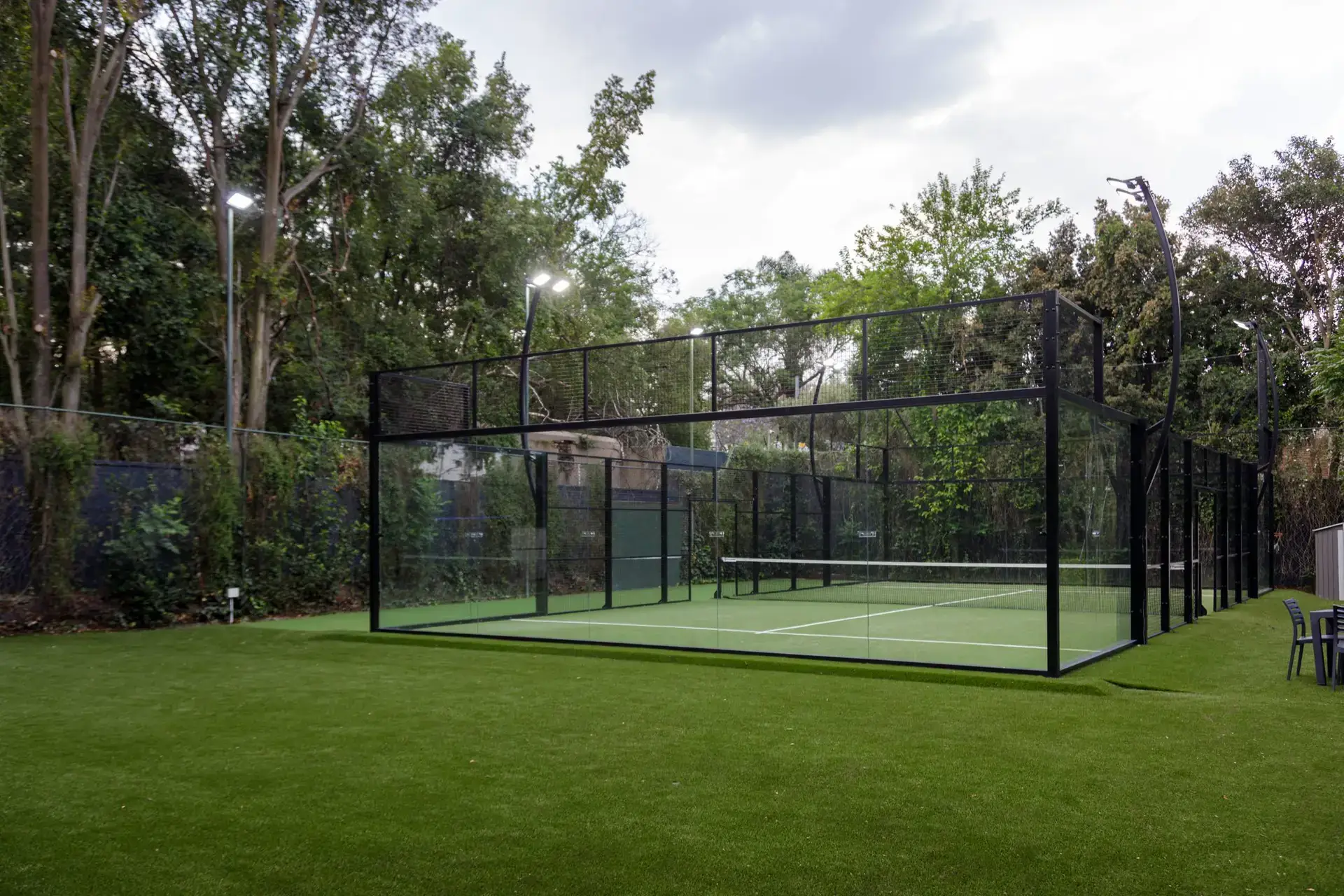
The Mundial 360 strengthens the viewing experience further with full panoramic glass, creating a 360-degree spectator experience.
Ultra Panoramic Special Edition and Wilson Elite
Our Ultra Panoramic Special Edition targets premium facilities that want a standout feature court with maximum visibility and design impact.
The Wilson Elite and PPA Ultra models deliver robust performance for high-traffic venues that need consistency every day.
Did You Know?
Industry estimates in 2025 place typical installed padel court costs in Southern Africa at around R600,000–R900,000 per court, with premium indoor installations often above R1.2 million.
4. FlexiPadel & Portable Kits: Temporary and Multi-Use Court Solutions
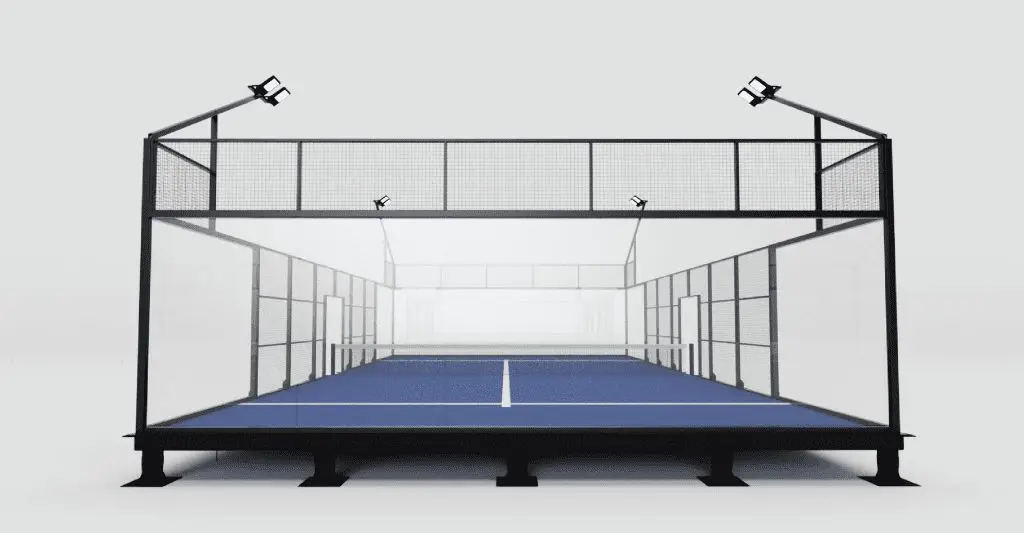
Not every site is ready for permanent foundations, which is why our FlexiPadel & Portable Kits are popular with event venues, schools, and developers testing demand.
These systems use a modular platform that can be installed on various flat surfaces with limited or no invasive civil works.
The portable platform is compatible with leading court models, including Mundial 90, Mundial 160, WILSON 90, and PPA configurations.
Clients can relocate or reconfigure courts as their needs change, while players still enjoy performance surfaces and compliant glass and fencing.
- Ideal for rooftops, parking decks, and rental properties
- Faster deployment compared with full slab construction
- Reduced disruption to existing infrastructure

5. Construction, Surfaces, and Roofing for Southern African Conditions
Southern Africa’s climate ranges from coastal humidity to highveld storms, so structural and material choices matter for long-term performance.
We specify galvanized and painted steel, toughened safety glass, and synthetic turf systems suited to UV exposure and local maintenance realities.
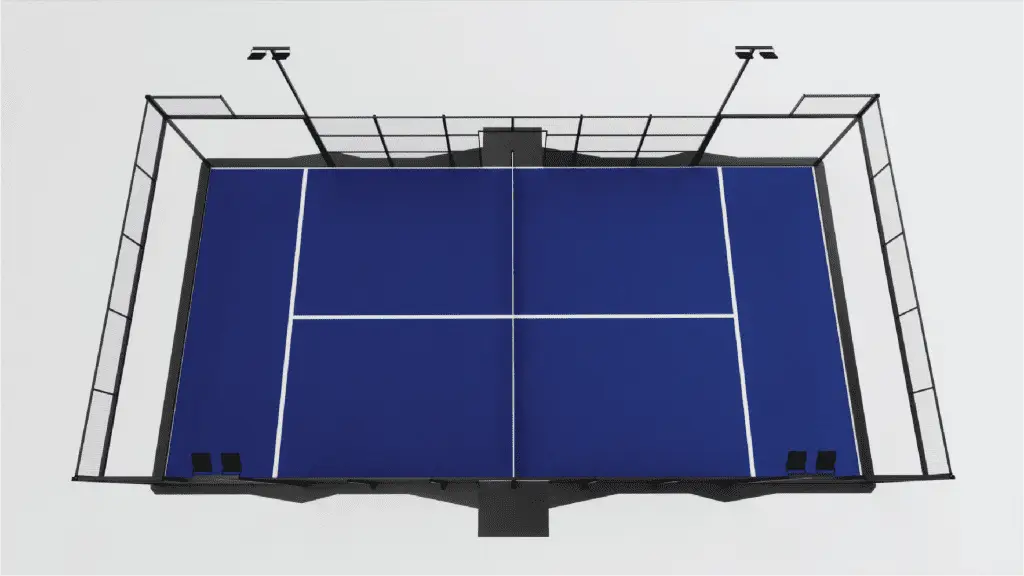
Where clients need all-weather play or want to differentiate their venue, we integrate roofing structures above one or more courts.
This includes assessing wind loads, drainage, and lighting design so play is safe and consistent in sun or rain.
| Component | Typical Specification | Key Benefit |
|---|---|---|
| Structure | Galvanized steel frames | Corrosion resistance and durability |
| Glass | Tempered safety glass panels | Safety and consistent rebound |
| Surface | Synthetic turf with silica sand infill | Comfort, traction, and drainage |
| Roof (optional) | Engineered steel or tensile structures | Extended operating hours and weather protection |

6. Project Types: Clubs, Estates, Schools, and Commercial Developments
We see four main client types in Southern Africa, each with different priorities and revenue models.
Our turnkey approach adapts court selection, layout, and amenities to fit the long-term plan for each site.
- Padel clubs and multi-sport venues: Focus on capacity, flow between courts, and spectator areas.
- Residential estates: Emphasis on aesthetics, quiet operation, and integration with existing clubhouses.
- Schools and universities: Durability and safety are key, with training support for staff.
- Retail and commercial sites: Need visually appealing courts that draw foot traffic and support premium pricing.
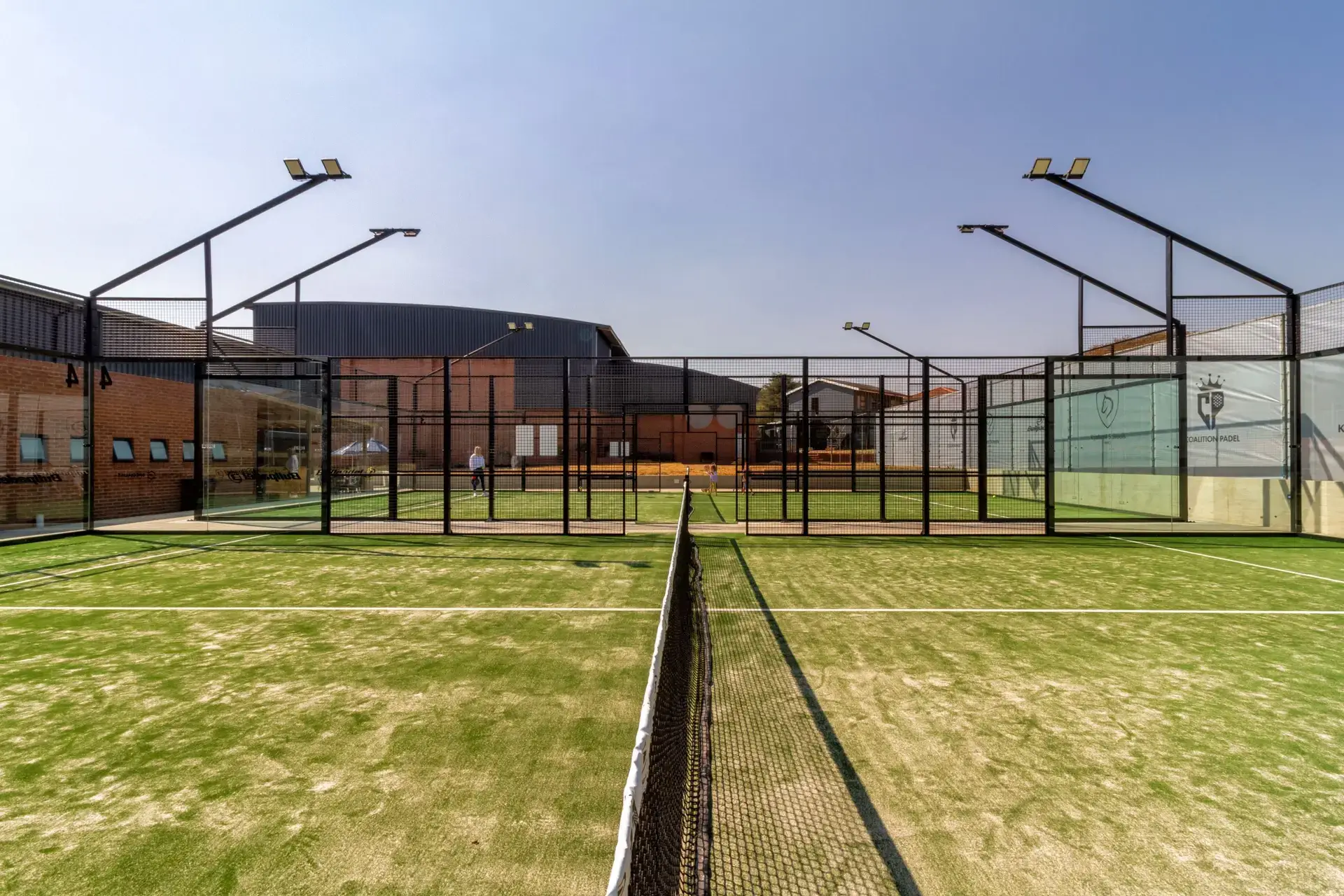
We use completed work such as Coalition, Marks Park, and Pitch n Padel to guide new clients on what works in practice at different scales.
7. Budgeting and Return on Investment for Padel Court Projects
When we plan turnkey padel projects, we always align the technical solution with a realistic business case for the client.
This typically starts with installed cost per court, projected hourly rates, and expected utilisation.
In many South African venues, standard court hire ranges around R350–R500 per hour in peak times, with off-peak rates often near R250.
Early adopters have reported paying off courts in roughly a year at strong occupancy levels, which illustrates why developers and estates are adding padel quickly.
Key financial levers include the number of courts, booking software, operating hours, and whether the venue offers coaching, leagues, and events.
Did You Know?
South Africa has gone from its first padel court in 2019 to an estimated 600–900 courts nationwide by 2025, largely driven by turnkey developments at clubs, estates, and commercial venues.
8. Case Study Highlights: Southern African Padel Court Projects
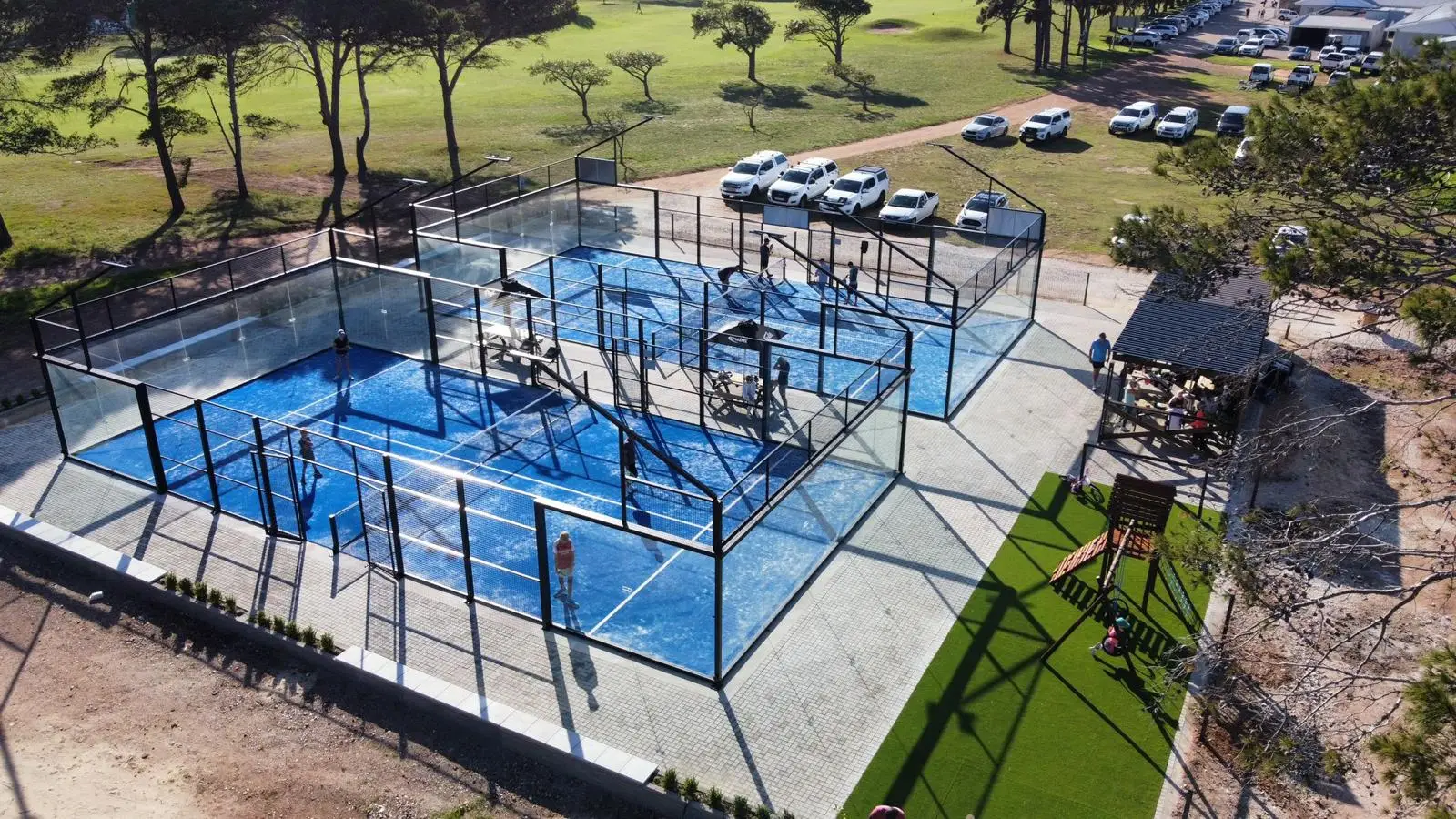
Our project portfolio across Southern Africa includes both standalone clubs and integrated facilities within existing sports complexes.
These projects show how different clients use padel to add value, from member retention to new revenue streams.
We combine architectural planning with court technology so each site feels coherent, whether it is four courts at a local club or a multi-court destination venue.
Coalition, Marks Park, and Morningside Club Padel, for example, illustrate how we adapt layouts to existing buildings and site constraints.
On the South Coast and at venues like Atterbury and Pirates, we work closely with owners to balance aesthetics, visibility, and operational efficiency.
9. Working With Specialists: Why Our Team and Partnerships Matter
Padel court construction is highly specialized, and the quality of design, materials, and installation directly affects safety and player satisfaction.
Our team brings together architects, structural engineers, and padel specialists who understand both technical and playability requirements.
Through our collaboration with Padel Galis, we deliver proven court technologies that have been refined across thousands of international installations.
This combination of local design expertise and global manufacturing standards is key for clients who want courts that meet international norms and withstand regional conditions.
We also advise on tennis court conversions, lighting upgrades, and integration with changing rooms, clubhouses, and viewing decks.
10. Planning Your Own Turnkey Padel Court Project
If you are considering a padel facility in Southern Africa, the first step is to clarify your objectives, site constraints, and budget range.
We then help translate those goals into a practical plan that covers court type, number of courts, surfaces, lighting, and optional roof or pod structures.
Many clients start with two to four courts and plan for expansion once demand is proven, particularly in growing markets and new estates.
Our process includes transparent discussions about costs, timelines, and operational considerations so you can make informed decisions before committing.
For portable or phased projects, we can recommend FlexiPadel platforms or pod-based solutions to keep your options open as the sport grows in your area.
Conclusion
Padel court construction and turnkey projects in Southern Africa are accelerating, and clients now have access to world-class technology and specialist expertise locally.
Whether you are planning a single court at a residence or a multi-court commercial facility, we work with you from concept to completion to deliver safe, attractive, and durable courts that meet international standards and local expectations.